
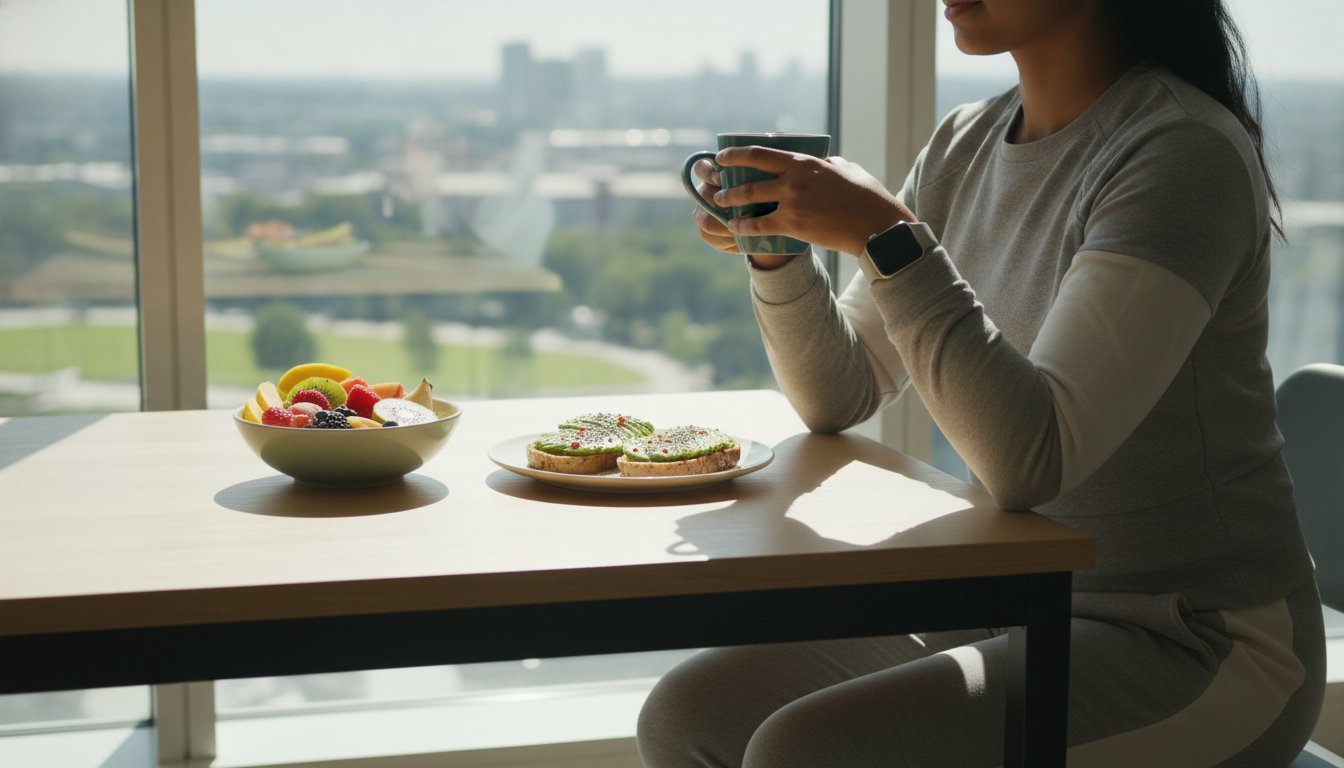
What if the secret to your best year yet isn’t a grueling two-hour gym session, but a series of ninety-second “micro-habits” stacked throughout your day? It’s easy to feel overwhelmed by social media gurus and the constant digital demands of 2026. You likely want to feel more vibrant, but finding the time for complex fitness routines often feels impossible. This is why focusing on sustainable health and wellness lifestyle tips is more important than ever. We believe that wellness should feel like a supportive companion, not a stressful chore on your to-do list.
You deserve a routine that actually works with your busy schedule while delivering real results. In this article, we’ll share ten essential habits backed by the latest science, including the major 2026 shift in U.S. Dietary Guidelines toward protein and healthy fats as the foundation of your plate. We’ll also look at how to meet the WHO recommendation of 150 to 300 minutes of activity each week using new AI-driven tools. From the rise of recovery culture to the immersive wellness metaverse, you’ll discover how to reclaim your vitality and manage stress with ease.
Key Takeaways
- Shift your perspective from rigid rules to a holistic model that integrates mental, physical, and environmental health for a truly balanced life.
- Boost your daily vitality with actionable health and wellness lifestyle tips such as protein-focused meals and short, frequent movement breaks.
- Guard your mental clarity against digital burnout by establishing clear boundaries like “Digital Sunsets” to turn off notifications and using the 20-20-20 rule to ease eye strain.
- Optimize your surroundings to make healthy choices the path of least resistance, ensuring your home and workspace support your long-term goals.
- Build a sustainable routine using the “Two-Minute Rule” and smart wellness tools that simplify habit tracking without adding to your mental load.
What is a Health and Wellness Lifestyle in 2026?
In 2026, living a healthy life is about more than just avoiding a doctor’s visit. It’s a holistic integration where your physical energy, mental clarity, and even your physical environment work in harmony. We’ve moved away from reactive healthcare, where you only act when something feels broken. Instead, the modern focus is on proactive well-being. This means making choices today that extend your “healthspan,” ensuring you feel vibrant for decades to come. Finding the right health and wellness lifestyle tips involves understanding that your body is a unique system that requires a personalized approach rather than a one-size-fits-all plan.
The old “all-or-nothing” approach usually leads to burnout and frustration. If a routine feels like a second job, you’ll likely quit within a month. We now embrace bio-individual wellness. This concept recognizes that your sleep needs, nutritional requirements, and stress triggers are specific to your biology. What works for a social media influencer might not align with your DNA or your daily schedule. By focusing on what your body actually needs, you create a sustainable path forward that doesn’t feel like a constant struggle against your own nature.
The Pillars of Modern Well-being
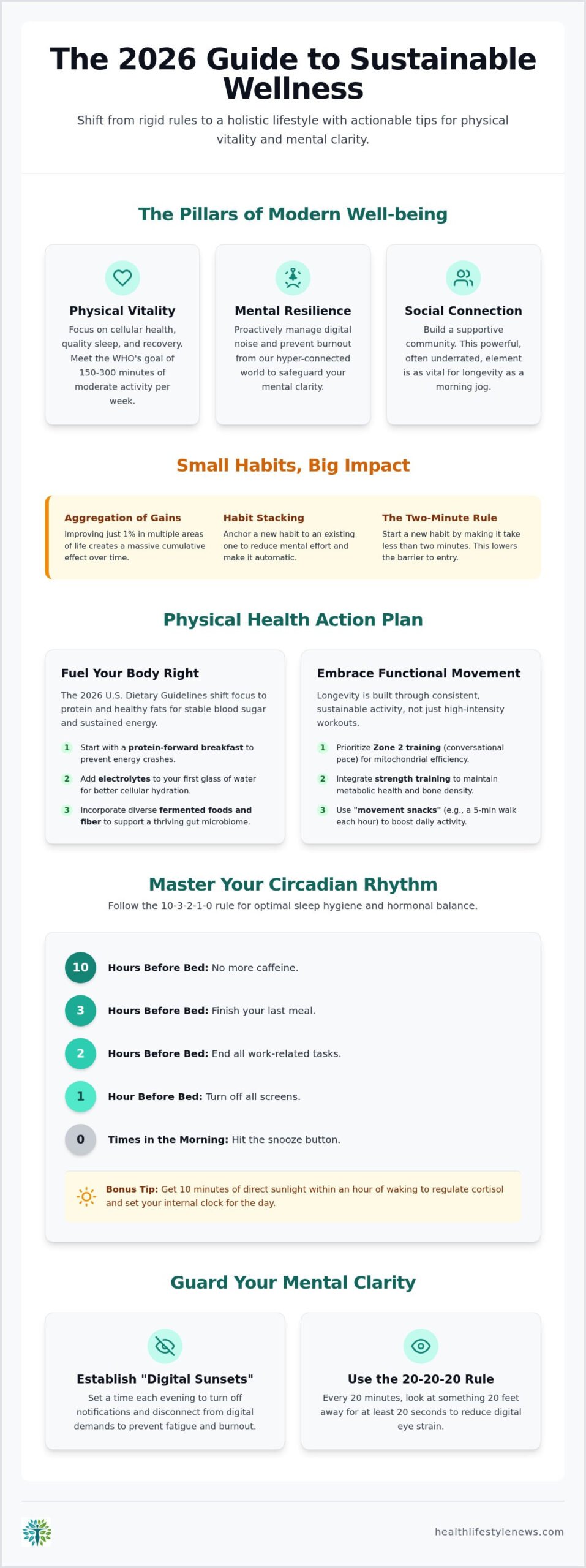
True vitality rests on three essential pillars. Physical vitality in 2026 goes beyond basic gym sessions; it focuses on cellular health and high-quality sleep. With the 2026 WHO guidelines emphasizing at least 150 to 300 minutes of moderate activity per week, tracking your recovery is now as common as tracking your steps. Mental resilience is the second pillar. It involves managing the constant “noise” from our hyper-connected world to prevent digital fatigue and burnout. Finally, social connection is a powerful, often underrated driver of longevity. Building a supportive community is just as vital for your heart as a morning jog.
Why Small Habits Trump Big Resolutions
Long-term success comes from the “Aggregation of Marginal Gains.” This is the idea that improving just 1% in multiple areas of your life creates a massive cumulative effect over time. Rather than attempting a radical 30-day transformation that you can’t maintain, focus on lifestyle integration. These are small shifts that fit seamlessly into your existing day without causing extra stress. Habit stacking is the process of anchoring a new habit to an existing one. By using this method, you reduce the mental effort needed to start something new. These sustainable health and wellness lifestyle tips turn healthy choices into automatic behaviors rather than exhausting chores that drain your willpower.
Physical Health Tips for Sustainable Vitality
Building a resilient body starts with the first choice you make each morning. The 2026 U.S. Dietary Guidelines suggest shifting your focus toward protein and healthy fats as the foundation of your plate. Starting your day with a protein-forward breakfast prevents the blood sugar spikes that often lead to a mid-day energy crash. To maximize this vitality, try adding electrolytes to your first glass of water. This simple step improves cellular absorption, ensuring you stay hydrated at a deeper level than plain water can provide. When you combine these health and wellness lifestyle tips with a focus on gut health, you create a powerful internal environment. Aim for a diverse range of fermented foods and fiber sources to support a thriving microbiome.
Mastering the Circadian Rhythm
Your internal clock dictates your energy, mood, and recovery. To keep it in sync, get 10 minutes of direct sunlight within an hour of waking up. This natural light exposure regulates cortisol production and sets a timer for melatonin release later that night. For better sleep hygiene, follow the 10-3-2-1-0 rule. Stop caffeine 10 hours before bed, finish your last meal 3 hours before, end work tasks 2 hours before, and turn off screens 1 hour before sleep. The final “0” represents the number of times you should hit the snooze button. Staying consistent with your wake time is often more beneficial for your hormonal balance than the total number of hours you spend in bed.
Functional Movement Over Intense Cardio
While high-intensity workouts have their place, longevity is built through functional movement. Zone 2 training, where you can still hold a conversation while exercising, is excellent for long-term heart health. This steady effort builds mitochondrial efficiency without overtaxing your nervous system. As you move through your 30s and beyond, strength training becomes essential for maintaining metabolic health and bone density. You don’t need to spend hours in the gym to see results. Integrating “movement snacks,” like a five-minute stretch or a brisk walk every hour, helps increase your Non-Exercise Activity Thermogenesis (NEAT). These small bursts of activity count toward the WHO recommendation of 150 to 300 minutes of moderate activity per week. To help you stay on track, you can find product reviews and recommendations for the latest wearable trackers and health and wellness lifestyle tips on our site.
Mental Clarity and Digital Wellness Strategies
Reclaiming your focus in 2026 requires more than just a quick break from social media. As digital demands grow, your mental state needs an active defense system. Implementing “Digital Sunsets” is one of the most effective health and wellness lifestyle tips you can adopt. By turning off non-essential notifications after 8 PM, you give your brain the space it needs to wind down without the constant pull of the attention economy. This practice helps lower cortisol levels and prepares your system for restorative sleep. Additionally, identifying and eliminating “digital clutter,” such as unused apps or overflowing inboxes, reduces the micro-decisions that lead to daily fatigue and mental fog.
To protect your eyes and your mind during the workday, use the 20-20-20 rule. Every 20 minutes, look at something 20 feet away for at least 20 seconds. This tiny habit provides a necessary reset for your nervous system. Beyond these technical fixes, prioritize active mindfulness by finding “flow states” in non-digital hobbies. Whether it’s gardening, reading a physical book, or sketching, these activities engage your brain in a deep, satisfying way that scrolling never can. These health and wellness lifestyle tips help you transition from being a reactive consumer to a proactive manager of your own mental peace.
Cognitive Load Management
Multitasking is a myth that drains your mental energy. What you’re actually doing is “task switching,” which forces your brain to pay a high price in efficiency and clarity. Each switch leaves a “residue” of the previous task behind, making it harder to focus on the current one. To combat this, use “brain dumps” to clear mental loops. Writing down every nagging thought or to-do item on paper allows your mind to release the anxiety of holding onto that information. Cognitive rest is a period of low-stimulation activity, like a quiet walk or sitting in silence, that lets your brain recover from the day’s intensity.
Building Emotional Resilience
Resilience is a skill that you can strengthen through consistent practice. A five-minute daily gratitude habit works on a neurological level by training your brain to scan for positives rather than threats. This shift is vital for maintaining a balanced outlook when negative news is always a click away. Setting firm boundaries is another essential part of this process. Learning to say “no” to unnecessary demands protects your peace and ensures you have the energy to care for yourself. For more insights on developing a sustainable mindset, explore our guide on positive health habits.
Designing an Environment for Wellness
Your surroundings act as the silent architects of your daily habits. By leaning into the “Path of Least Resistance,” you can reorganize your home and office so that the healthy choice becomes the easiest one. Willpower is a finite resource; your environment shouldn’t drain it. Simple health and wellness lifestyle tips like placing your gym shoes by the door or keeping a carafe of water on your desk remove the friction that often stops us from starting. When your space is designed to support your goals, you spend less energy fighting your impulses and more energy enjoying your progress.
For the millions of hybrid workers in 2026, ergonomic health is a top priority. Chronic back and neck pain aren’t just uncomfortable; they drain your mental focus. Position your screen so the top third is at eye level, and use a chair that supports the natural curve of your spine. Beyond physical furniture, consider biophilic design. Adding indoor plants and ensuring you have access to natural light can significantly boost your mood and productivity. Fresh air is equally vital. Ensuring proper ventilation and keeping your bedroom temperature between 60 and 67 degrees Fahrenheit creates the ideal conditions for cellular recovery. If you’re looking for the best tools to optimize your space, check out our latest product reviews and recommendations for ergonomic gear and air purifiers.
Kitchen Architecture for Better Nutrition
The way you organize your kitchen directly impacts what you eat. To encourage better choices, keep pre-cut vegetables and fruits at eye level in the fridge. When healthy snacks are the first thing you see, you’re more likely to reach for them. Conversely, hide “trigger foods” like chips or sweets in opaque containers or high cupboards where they aren’t constantly calling for your attention. Adopting a “One-In, One-Out” rule for pantry staples helps prevent a buildup of processed foods and ensures your kitchen remains a hub for fresh, vitality-boosting ingredients.
Creating a Sanctuary for Rest
Your bedroom should be a dedicated zone for restoration. Making this a screen-free area is essential for optimal melatonin production, as the blue light from phones mimics daylight and tricks your brain into staying awake. Switch to warm, dim lighting in the evening to signal to your nervous system that it’s time to wind down. You can also use scent to trigger a relaxation response. Essential oils like lavender or cedarwood are excellent natural tools for calming the mind. These health and wellness lifestyle tips turn your bedroom into a true sanctuary, allowing you to wake up feeling refreshed and ready for the day ahead.
Maintaining Consistency: The 2026 Action Plan
Consistency isn’t about perfection; it’s about persistence. In 2026, we have more tools than ever to support our goals, but the foundation remains starting small. One of the most effective health and wellness lifestyle tips is the “Two-Minute Rule.” If a new habit, like a quick stretch or filling your water bottle, takes less than two minutes, do it immediately. This removes the mental barrier of starting and builds momentum. When life gets in the way, follow the “Never Miss Twice” rule. Missing one day is a slip; missing two is the start of a new habit you don’t want. This mindset allows for flexibility without losing progress.
Recalibrating your routine every 90 days is another vital strategy. Your body’s needs change with the seasons and your personal life. A plan that worked in January might not fit your schedule in April. By reviewing your goals quarterly, you ensure your routine stays supportive and never feels like a chore. This proactive approach keeps your health and wellness lifestyle tips fresh and aligned with your current reality.
Leveraging Technology for Good
Modern gadgets should be your wellness companions, not your masters. Use wearable tech to monitor your recovery and sleep quality rather than just focusing on burning calories. This shift helps you understand when to push yourself and when to rest, which is essential for preventing burnout. You can find specific recommendations in our health and wellness articles. Automated reminders are also great for hydration or posture checks during a long hybrid workday. These small digital nudges keep your habits on track without requiring constant willpower.
Finding Your Wellness Community
Wellness is more sustainable when it’s social. Accountability partners can turn a solitary workout into a fun, shared experience. Whether you join a local walking group or a digital interest group, community provides the encouragement you need on days when your motivation is low. Finding your tribe makes healthy choices feel like a natural part of your social life rather than an isolated effort. Explore our latest wellness product reviews to find your perfect lifestyle companion.
Your Path to a Vibrant 2026
Achieving your health goals doesn’t require a total life overhaul. It starts with the small, intentional shifts we’ve explored, from optimizing your morning light to mastering the “Two-Minute Rule.” By designing your environment to support your needs and leaning into science-backed nutrition, you’re building a foundation for lasting vitality. These health and wellness lifestyle tips are designed to fit into your busy schedule rather than adding more stress to your day. Remember that progress is about consistency, not perfection. You have the power to create a routine that feels like a natural part of your life.
We’ve translated complex health data into practical habits that are already trusted by thousands of readers seeking real results. You don’t have to navigate this journey alone. We’re here as your wellness companion, providing the news and trends you need to stay informed and inspired. Start your journey with our Daily Health Tips Checklist to begin seeing a difference in your energy and clarity today. You’re capable of making 2026 your most vibrant year yet.
Frequently Asked Questions
What are the top 3 health and wellness lifestyle tips for beginners?
Start with a protein-heavy breakfast to balance blood sugar, add electrolytes to your morning water for better absorption, and aim for short movement breaks every hour. These three steps provide the highest impact for the least effort. They address nutrition, hydration, and activity without requiring a gym membership or a complete pantry overhaul. Focusing on these foundational health and wellness lifestyle tips helps you build momentum before tackling more complex habits.
How can I stay consistent with my wellness routine when I am busy?
Consistency thrives on simplicity and the “Two-Minute Rule.” If a healthy action takes less than two minutes, do it immediately rather than scheduling it for later. When your schedule becomes chaotic, use the “Never Miss Twice” rule to ensure a single slip doesn’t become a permanent break. By keeping your habits small and manageable, you ensure they fit into your life even during your most demanding weeks without causing extra stress.
Do I need expensive gadgets to start a healthy lifestyle?
You don’t need expensive gadgets to start, but the right tools can simplify your journey. Basic wellness begins with free resources like direct morning sunlight and brisk walking. While high-end wearables provide great data on recovery, you can track progress with simple apps or a notebook. Focus on mastering the fundamentals first. If you decide to invest later, gadgets should serve as wellness companions that make tracking easier rather than becoming a source of data obsession.
Is it better to focus on diet or exercise first for overall wellness?
It’s often best to prioritize stabilizing your blood sugar through nutrition first. When your energy levels are steady from a protein-rich diet, you’ll naturally feel more motivated to meet the WHO goal of 150 to 300 minutes of weekly activity. Nutrition provides the fuel, while exercise builds the engine. Instead of choosing one, try to integrate small improvements in both areas simultaneously to see the best results for your long-term vitality.
How does digital wellness affect my physical health?
Digital wellness directly impacts your physical health by regulating your nervous system. Constant notifications keep your cortisol levels high, which can lead to chronic stress and poor sleep. Using strategies like the 20-20-20 rule reduces digital eye strain and prevents the mental fatigue that often leads to physical exhaustion. By setting boundaries with your devices, you allow your body to enter a state of recovery, which is essential for maintaining your overall physical vitality.
What is the “habit stacking” method and how do I use it?
Habit stacking is the process of anchoring a new, healthy habit to an existing one that you already do automatically. For example, you might practice a one-minute stretch while your morning coffee brews. This method works because it uses the established neural pathways of your current routine to support new behaviors. It significantly reduces the mental effort required to remember a new task, making it one of the most effective health and wellness lifestyle tips for long-term success.
Can small lifestyle changes really make a difference in my longevity?
Small changes create a powerful cumulative effect known as the “Aggregation of Marginal Gains.” Improving your habits by just 1% in multiple areas, such as sleep quality, hydration, and daily movement, leads to significant long-term health benefits. These micro-habits are more sustainable than radical shifts, making them more likely to stick for years. Over time, these consistent actions help extend your healthspan, ensuring you stay active and vibrant as you age.
How often should I update my health and wellness goals?
You should review and recalibrate your wellness goals every 90 days. A quarterly check-in allows you to adjust your routine based on seasonal changes, work demands, or personal progress. This prevents your routine from becoming stagnant or irrelevant to your current life. If a specific habit isn’t serving you anymore, don’t be afraid to swap it for something more effective. Regular updates ensure your plan remains a supportive companion in your daily life.



[…] Selecting the right equipment to support your fitness journey requires an understanding of how specific machines align with your physiological goals. When evaluating the ideal treadmill for weight loss, the objective is to balance biomechanical support, motor reliability, and interactive features that sustain long-term engagement. Integrating consistent cardiovascular training into your routine is one of the most effective strategies for long-term health, as detailed in our guide on 10 essential health and wellness lifestyle tips for 2026. […]
[…] 10 Essential Health and Wellness Lifestyle Tips for 2026 […]
[…] 10 essential health and wellness lifestyle tips for 2026 […]
[…] these workouts no more than three or four times a week to allow for proper recovery. Understanding 10 essential health and wellness lifestyle tips for 2026 can help you integrate these intense sessions into a balanced weekly routine without succumbing to […]
[…] 10 Essential Health and Wellness Lifestyle Tips for 2026 […]
[…] Starting a physical transformation requires more than just enthusiasm; it demands a structured approach to movement that respects individual physiology and long-term goals. For those navigating the vast landscape of health and wellness, mastering fundamental fitness tips for beginners is the most effective way to prevent injury and ensure consistent progress. By focusing on mechanical proficiency and realistic habit formation, you can build a solid foundation that supports a lifetime of activity, much like the principles found in a well-rounded approach to 10 essential health and wellness lifestyle tips for 2026. […]
[…] It is important to recognize that the type of cardio matters. Low-intensity steady-state (LISS) exercise, such as brisk walking or light cycling, relies heavily on fat oxidation during the activity but burns fewer total calories per minute. Conversely, high-intensity cardio for fat loss, such as sprinting or circuit intervals, burns significantly more calories in a shorter window, though it is more taxing on the central nervous system. Selecting the right modality depends on your recovery capacity and overall activity level throughout the day, as discussed in professional guides on 10 essential health and wellness lifestyle tips for 2026. […]
[…] 10 essential health and wellness lifestyle tips for 2026 […]
[…] 10 Essential Health and Wellness Lifestyle Tips for 2026 […]
[…] 10 Essential Health and Wellness Lifestyle Tips for 2026 […]
[…] 10 Essential Health and Wellness Lifestyle Tips for 2026 […]
[…] 10 Essential Health and Wellness Lifestyle Tips for 2026 […]