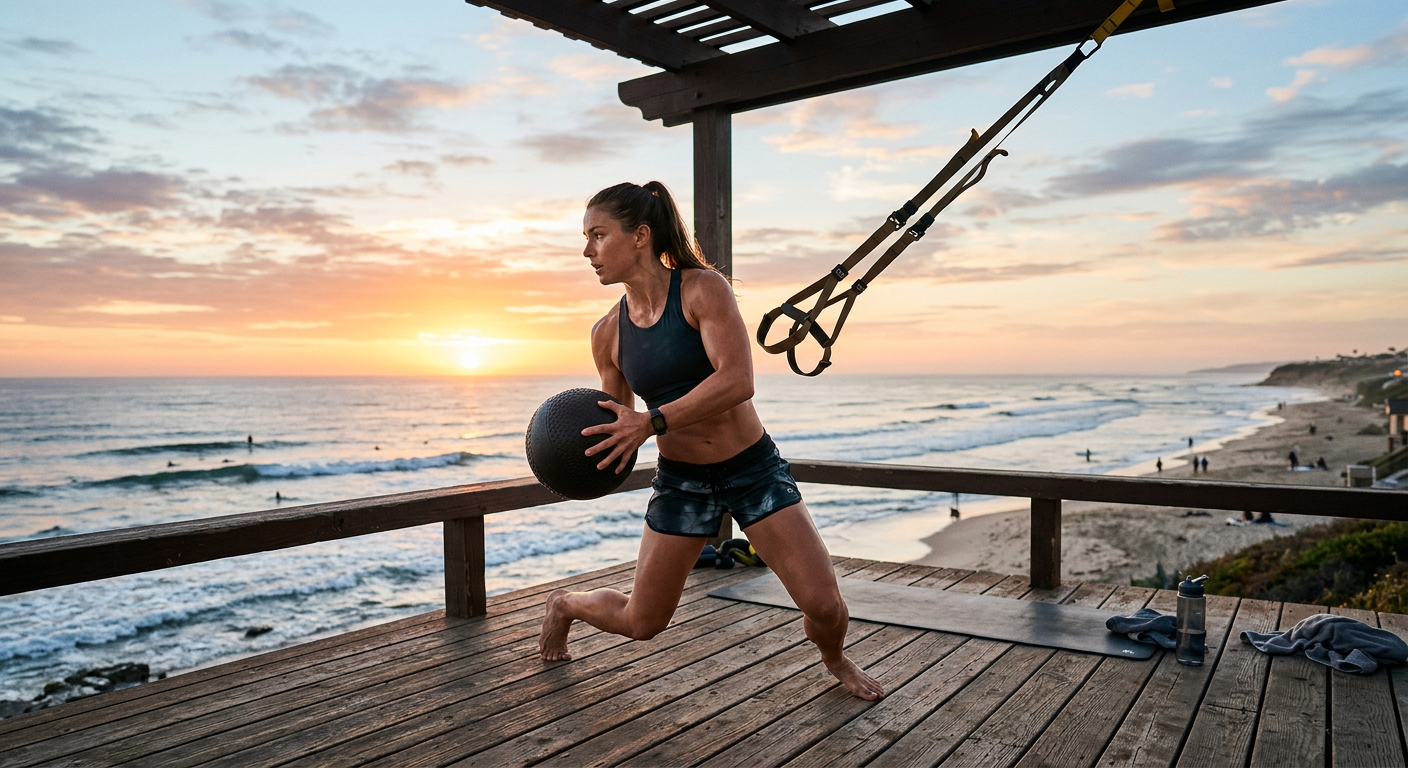
Developing a robust fitness routine specifically for the ocean requires a departure from traditional gym-based isolation movements. Surfing demands a unique combination of explosive upper-body power for paddling, core stability for balance, and lower-body endurance for maneuvers. Achieving peak performance in 2026 relies on functional movements that translate directly to the demands of the wave.
Quick Summary
Workouts for surfing focus on functional movement patterns that replicate the physical requirements of paddling, pop-ups, and balance on an unstable surface. By integrating explosive strength, core rotation, and cardiovascular endurance, surfers can improve their paddle speed and wave count while reducing the risk of common overuse injuries.
- Prioritize rotational core strength and shoulder stability.
- Implement explosive power movements to improve pop-up speed.
- Utilize unilateral leg exercises to enhance stability on the board.
- Maintain high-intensity interval training to simulate paddle bursts.
Table of Contents
- Quick Summary
- Principles of Surf Fitness Exercises
- Essential Surf Strength Training Movements
- Dynamic Mobility and Core Stability
- Common Pitfalls and Troubleshooting
- FAQ
- Recommended Reads
Principles of Surf Fitness Exercises
Fitness for surfing is centered on the concept of movement integration rather than isolated muscle growth. When paddling, the body operates through a kinetic chain involving the latissimus dorsi, the serratus anterior, and the stabilizing muscles of the rotator cuff. A program designed to improve surfing should prioritize endurance in these regions, as the vast majority of time in the water is spent paddling rather than riding waves.
Furthermore, the unstable nature of the surfboard necessitates exceptional proprioception and balance. Surf fitness exercises must challenge the central nervous system to maintain stability while the body is in motion. By shifting focus from machine-based training to free-weight or bodyweight movements that require stabilization, athletes can build a more resilient foundation that directly supports the unpredictable environment of the surf zone.
Essential Surf Strength Training Movements
To optimize strength for the board, specific movements should form the backbone of your routine. The best exercises for surfing often involve a combination of pushing and pulling planes. The explosive pop-up is effectively trained through movements that mimic the transition from prone to standing, such as mountain climbers with a plyometric push-up or explosive burpees. These exercises force the muscles to contract quickly, mirroring the “snap” needed to get to your feet.
For paddling strength, incorporate overhead pulling and horizontal rowing variations. Exercises that emphasize scapular retraction are vital, as they prevent the rounded-shoulder posture common in long-term surfers. Weighted pull-ups or rows using a suspension trainer allow for a full range of motion while placing demand on the stabilizer muscles in the upper back. Integrating these into a circuit ensures that heart rate remains elevated, mimicking the physiological fatigue experienced during a long session in the lineup.
Pro Tip: Focus on high-repetition sets for endurance in the shoulders, paired with low-repetition explosive sets for the pop-up to mimic the two distinct physical demands of surfing.
Dynamic Mobility and Core Stability
Fitness for surfers is incomplete without a focus on thoracic mobility and core stability. The torso serves as the bridge between the upper body’s paddle power and the lower body’s carving maneuvers. If the thoracic spine is stiff, the ability to rotate the board effectively is severely compromised. Exercises such as “thread the needle” stretches or cat-cow variations help maintain the fluidity required for deep turns.
Core stability should move beyond standard crunches. Instead, employ anti-rotational movements like pallof presses or plank variations on an unstable surface, such as a bosu ball. These movements train the deep stabilizers of the spine to resist unwanted motion, which is crucial when navigating choppy water or landing aerial maneuvers. A strong, stable core acts as the anchor that allows the limbs to transfer energy efficiently into the board.
Common Pitfalls and Troubleshooting
One of the most frequent mistakes is over-training the chest while ignoring the posterior chain. A chest-dominant training program can lead to postural imbalances, resulting in shoulder impingement and limited mobility. Always ensure your training includes a 2:1 ratio of pulling exercises to pushing exercises to maintain shoulder health.
Another common issue is failing to account for the cardiovascular demands of “hold-downs” or paddling through heavy surf. If your training is entirely anaerobic, you may find yourself winded after a single wave. Incorporate aerobic base building, such as swimming or high-intensity interval training (HIIT), to increase your VO2 max. If you feel localized fatigue during a session, assess whether your current routine lacks the endurance volume necessary to sustain 60 to 90 minutes in the water.
FAQ
How often should I perform these workouts to see results?
For optimal surfing performance, aim for 2 to 3 days of targeted strength training per week, supplemented by cardiovascular activity, to allow for adequate recovery between sessions.Can I practice these exercises at home without gym equipment?
Yes, bodyweight variations such as explosive push-ups, planks, and lunges are highly effective for surf fitness if performed with intensity and proper form.How does surf training impact my risk of injury?
Strengthening the stabilizing muscles of the shoulders and core helps improve joint integrity and balance, which significantly mitigates common overuse issues and acute strains during high-impact maneuvers.Is heavy weightlifting beneficial for surfers?
While some explosive strength training is beneficial, hyper-focusing on hypertrophy (muscle size) can increase body weight and limit flexibility; prioritize functional strength and power-to-weight ratio instead.
Recommended Reads
- 10 Essential Health and Wellness Lifestyle Tips for 2026
- Can Barefoot Walking Really Reduce Stress According to Research?