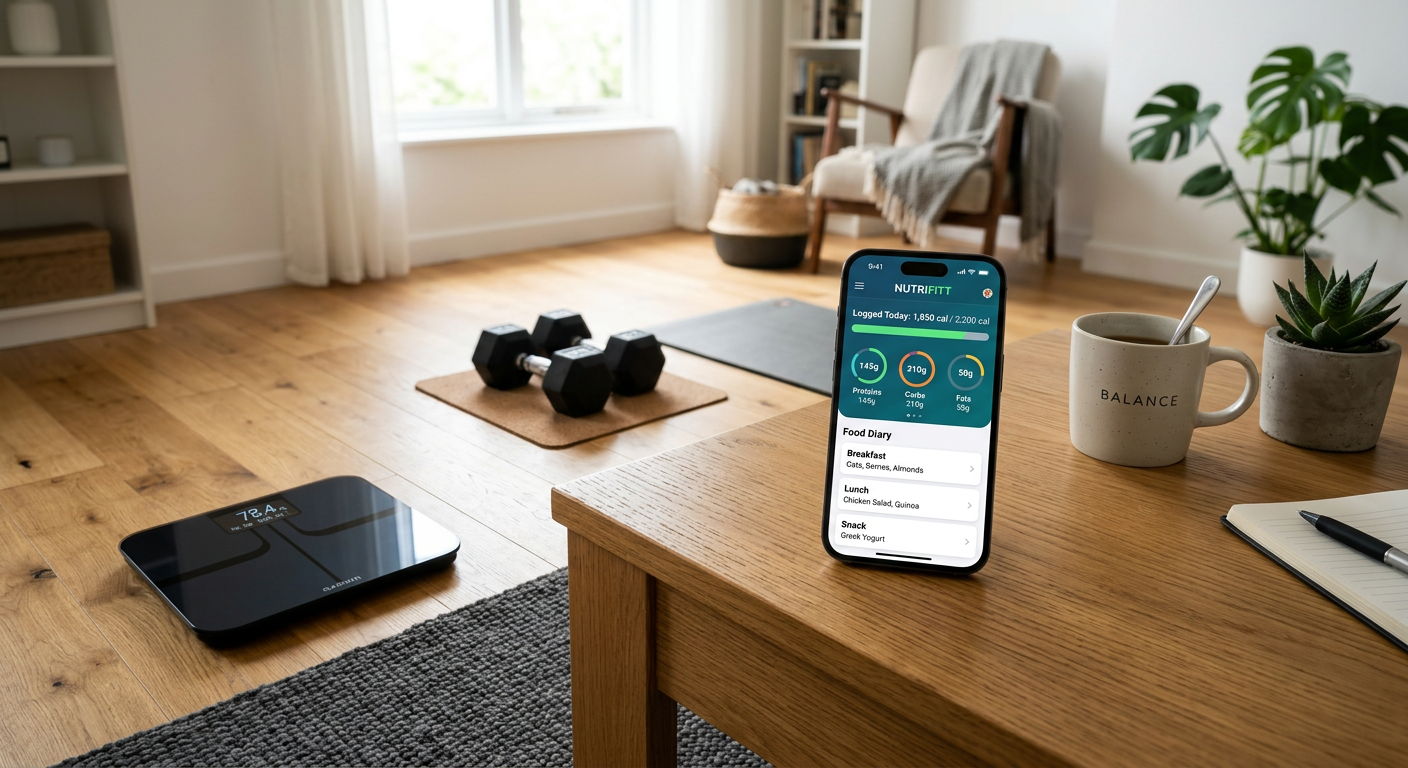
Integrating technology into your health strategy is one of the most effective ways to manage a sustainable transformation. As we navigate the health landscape of 2026, the intersection of digital monitoring and consistent habit formation has become a cornerstone for success. Whether you are using My Fitness Pal for weight loss or exploring integrated hardware solutions, selecting the right platform requires an understanding of how data translates into actionable, daily lifestyle changes.
Quick Summary
Digital fitness tools facilitate weight loss by providing precise nutritional tracking, activity monitoring, and behavior modification insights. In 2026, successful weight management relies on combining automated data logging with a holistic approach to movement and caloric intake.
- Caloric tracking maintains a reliable energy balance.
- Wearable integration provides real-time activity metrics.
- Consistent logging builds long-term nutritional awareness.
- Holistic health tracking supports sustainable, lifelong changes.
Table of Contents
- Using My Fitness Pal for Weight Loss
- Integrated Health and Activity Platforms
- Specialized Macro-Tracking Applications
- Hardware-Centric Fitness Ecosystems
- Essential Home Fitness Equipment for Tracking
- How to Choose Your Tracking Tech
- FAQ
- Recommended Reads
Using My Fitness Pal for Weight Loss
MyFitnessPal remains a primary tool for those prioritizing data-driven nutrition. The utility of this platform stems from its massive food database, which allows users to log meals with high precision. When using MyFitnessPal to lose weight, the focus is not just on total calories but on understanding the macro-nutrient composition of one’s diet. This insight is critical when you are working to align your intake with your category/nutrition/ goals.
To effectively leverage this tool, users should prioritize verified entries within the database to ensure accuracy. Consistency is the primary factor; when you log every snack and beverage, you gain a clearer picture of hidden caloric intake. This level of granular detail is helpful for those who feel stalled in their progress and need to identify potential gaps in their dietary habits.
Integrated Health and Activity Platforms
Beyond simple calorie counters, many users benefit from integrated ecosystems that sync nutrition with real-time biometric data. These platforms often pair with wearable sensors to adjust your daily caloric “budget” based on actual movement. This dynamic feedback loop is essential for individuals who experience fluctuations in daily activity levels and want to ensure their category/fitness/ regimen remains aligned with their body’s energy demands.
- Pros: Real-time adjustments based on heart rate and steps; comprehensive health dashboard.
- Cons: Often requires a subscription for advanced analytics; can be overwhelming for beginners.
- Target Audience: Data-oriented individuals who enjoy monitoring trends over time.
Specialized Macro-Tracking Applications
For those who prefer a more clinical approach to their diet, specialized macro-tracking apps offer deeper customization. These tools allow you to set specific percentages for protein, carbohydrates, and fats, which is particularly beneficial for body composition goals rather than just general weight reduction. By focusing on specific nutrient ratios, users can often maintain muscle mass while entering a caloric deficit.
- Pros: High level of control over nutrient partitioning; clean, simplified user interface.
- Cons: Less extensive food databases compared to generalist apps; requires more manual input.
- Target Audience: Users focusing on body recomposition or athletic performance.
Hardware-Centric Fitness Ecosystems
Hardware-centric platforms revolve around the data collected from dedicated gym equipment or smart scales. These systems provide a “closed loop” where your weight, body fat percentage, and workout intensity are tracked automatically. This removes the friction of manual entry and ensures that your weight loss MyFitnessPal data is accurate, as it can often import metrics from these smart devices.
- Pros: Removes human error from manual logging; high accuracy of biometric data.
- Cons: Higher initial cost; dependent on proprietary ecosystem hardware.
- Target Audience: Those who value seamless, automated data collection and have the budget to invest in home infrastructure.
Essential Home Fitness Equipment for Tracking
Finding the best weight loss equipment for home is about selecting tools that provide measurable progress. Smart scales that track body composition and heart-rate-monitoring resistance bands are excellent starting points. For those looking for 10 important nutrients you’re not getting enough of while they train, pairing these tools with a tracking app helps bridge the gap between effort and actual physiological change.
| Category | Pros | Cons | Target Audience |
|---|---|---|---|
| Mobile Apps | Affordable, high accessibility | Requires manual logging | Beginners |
| Smart Wearables | Real-time biometrics | Battery life dependent | Active individuals |
| Connected Home Gear | High automation | Expensive | Serious home trainers |
How to Choose Your Tracking Tech
Selecting the right tool involves assessing your own discipline and data needs. If you struggle with the habit of logging, prioritize apps with robust barcode scanning and voice-to-text features. For those who find the numbers overwhelming, look for platforms that prioritize simple green/red indicators for daily targets over complex charts.
Sustainability is the ultimate goal. A tool that provides excellent data but causes you to feel anxious about every bite is ultimately counterproductive. Choose a system that empowers you to make informed decisions about your category/mind-body/ wellness rather than one that merely acts as a digital prison for your daily caloric intake.
FAQ
- Is using MyFitnessPal to lose weight enough on its own? While tracking is highly effective, it works best when paired with a balanced exercise routine and proper recovery.
- How often should I weigh myself? Weekly or bi-weekly trends are often more useful than daily fluctuations, which can be affected by water retention and salt intake.
- Can I sync my exercise equipment with these apps? Many modern smart devices allow for seamless integration with major tracking applications through standardized health APIs.
Recommended Reads
- 10 important nutrients you’re not getting enough of and why it matters
- 10 essential health and wellness lifestyle tips for 2026
- Best magnesium rich foods for anxiety and sleep support top dietary choices for calmer nights