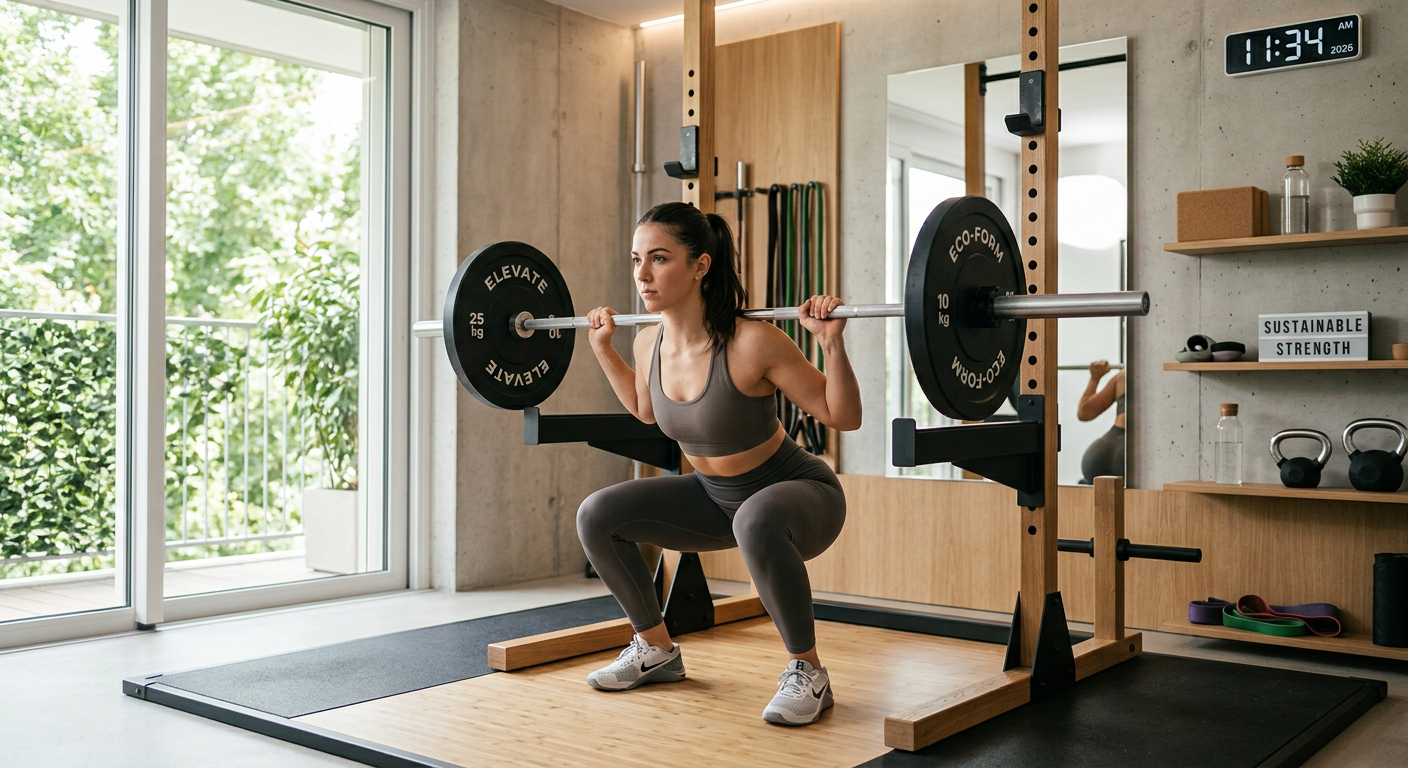
Starting a physical transformation requires more than just enthusiasm; it demands a structured approach to movement that respects individual physiology and long-term goals. For those navigating the vast landscape of health and wellness, mastering fundamental fitness tips for beginners is the most effective way to prevent injury and ensure consistent progress. By focusing on mechanical proficiency and realistic habit formation, you can build a solid foundation that supports a lifetime of activity, much like the principles found in a well-rounded approach to 10 essential health and wellness lifestyle tips for 2026.
Quick Summary
Developing an effective fitness routine as a beginner involves prioritizing compound movements, allowing for adequate recovery, and scaling intensity gradually. This evidence-based approach ensures muscular development and cardiovascular health without overwhelming the central nervous system or inviting burnout in your first few weeks of training.
- Focus on movement quality before adding external weight.
- Implement a progressive overload schedule to track strength gains.
- Balance high-intensity sessions with restorative recovery periods.
- Utilize digital tools to organize your weekly training structure.
Table of Contents
- Assessing Your Starting Point
- Designing a Sustainable Workout Fitness Routine
- Implementing Progressive Overload
- Common Pitfalls and Troubleshooting
- FAQ
- Recommended Reads
Assessing Your Starting Point
Before engaging in any new training program, you must conduct an honest evaluation of your current physical capacity. This isn’t about comparing yourself to others; it is about establishing a baseline for your own mobility and endurance. Beginners often jump into high-volume programs seen on social media without considering the necessary preparatory work required to protect their joints and connective tissues.
Start by assessing your baseline range of motion and cardiovascular recovery time. If you struggle with basic bodyweight movements like a squat or a push-up, focus on refining these patterns before adding resistance. Understanding your current capacity allows you to set realistic milestones, which is far more effective for sustainable weight loss than attempting to replicate advanced routines immediately. Consult a professional or look for reputable movement assessments to identify any potential imbalances that could hinder your long-term progress.
Designing a Sustainable Workout Fitness Routine
A structured workout fitness routine is the difference between aimless exercise and meaningful adaptation. The most effective programs for beginners are built around compound movements – exercises that involve multiple joints and muscle groups simultaneously, such as squats, hinges, pushes, and pulls. These movements maximize metabolic demand and provide the most significant “bang for your buck” regarding strength development.
When building your workout fitness planner, aim for a frequency that you can maintain for at least three to six months. Consistency beats intensity every single time. A three-day-per-week, full-body routine is often superior for beginners compared to a five-day “body part split” because it allows for more frequent practice of movement patterns and provides ample recovery time for muscle tissue to repair and grow. Remember, your body adapts to the stress of exercise during the recovery phase, not while you are actually in the gym.
Pro Tip: Do not let a single missed session derail your momentum. Instead, view your fitness journey as a long-term average rather than a daily pass/fail test; consistent attendance over months matters more than perfection over days.
Implementing Progressive Overload
Progressive overload is the fundamental driver of physical adaptation. To improve, you must gradually increase the stimulus placed on your muscles over time. Many beginners fall into the trap of doing the same exercises with the same weight for months, which eventually leads to a performance plateau. Workout tips for beginner athletes should always emphasize the need for measured, documented increases in intensity.
There are several ways to apply progressive overload beyond just adding weight to the bar. You can increase the number of repetitions, decrease rest periods between sets, improve your technical execution, or increase the volume by adding more sets. Keep a training log to track these variables. If you see that you performed 10 repetitions with 20 pounds last week, your goal for this week should be 11 repetitions or moving up to 25 pounds while maintaining perfect form. This tangible tracking provides the motivation that many people seek from workout fitness quotes without the empty promises.
Common Pitfalls and Troubleshooting
The most common error is “ego lifting” – prioritizing the amount of weight moved over the quality of the movement. This often results in injury and stalls progress. Always film your sets if possible to objectively review your form, or work with a trainer to ensure your mechanics are sound. If you find your progress stalling, it may be time to reassess your nutrition, as protein intake and overall caloric balance are critical for recovery.
Another frequent issue is relying too heavily on fitness videos workout clips that focus on aesthetics rather than functional strength. While these visuals can be inspiring, they often lack the granular detail required for proper biomechanics. If a specific movement causes sharp, radiating pain – as opposed to the generalized fatigue of muscle soreness – stop immediately. Troubleshooting your routine requires patience; sometimes the best fix is an extra rest day or a temporary reduction in volume to allow your central nervous system to reset.
FAQ
How many days per week should a beginner exercise?
Most beginners find that three days per week of full-body resistance training is the sweet spot. It provides enough stimulus to trigger adaptation while allowing for sufficient recovery between sessions.
Should I prioritize cardio or strength training first?
It depends on your primary goal. If you want to lose body fat, strength training is essential for maintaining muscle mass. Generally, performing your resistance training at the start of your session ensures you have the most energy for compound movements, followed by cardio as a finisher.
How long does it take to see results?
While you may feel stronger within 2-4 weeks due to neural adaptations, visual body composition changes typically take 8-12 weeks of consistent training and proper nutrition. Focus on performance markers like weight lifted or stamina rather than just the mirror.
Is it normal to feel extremely sore after every workout?
Delayed Onset Muscle Soreness (DOMS) is common when starting a new routine. However, it should not be debilitating. If you are too sore to move, you likely need to scale back the volume or intensity of your initial workouts.
Recommended Reads
- 10 important nutrients you’re not getting enough of and why it matters
- Can barefoot walking really reduce stress according to research?
- Best magnesium rich foods for anxiety and sleep support top dietary choices for calmer nights