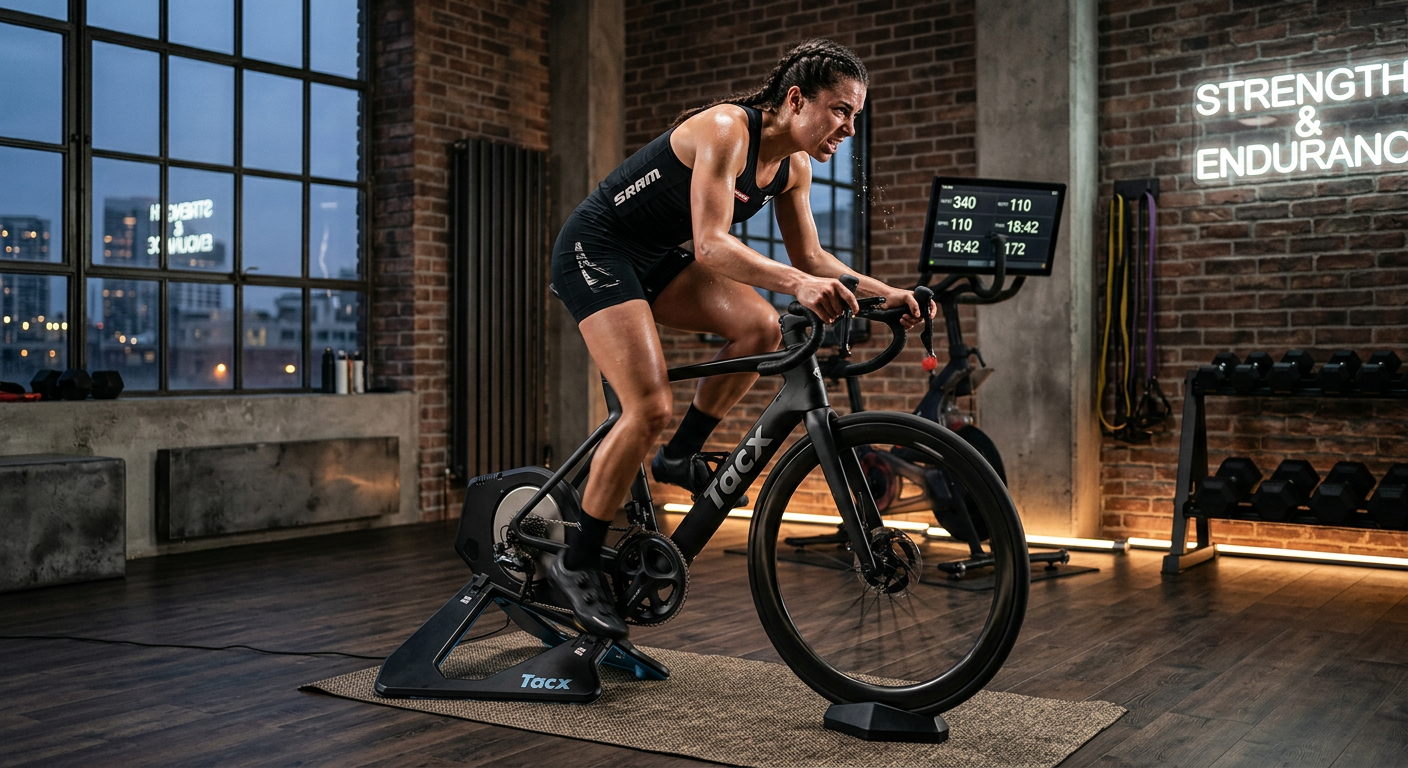
Implementing high intensity interval training hiit for weight loss has become a cornerstone of modern fitness protocols, offering a time-efficient strategy to maximize metabolic output. By alternating between short bursts of near-maximal effort and brief recovery periods, individuals can stimulate excess post-exercise oxygen consumption (EPOC), which keeps the metabolic rate elevated long after the workout concludes. This physiological response makes it a superior tool for those seeking efficient body composition changes.
Quick Summary
High intensity interval training (HIIT) is a training methodology that alternates between intense anaerobic exertion and brief rest intervals. It is designed to maximize fat oxidation, improve cardiovascular health, and boost metabolic rate efficiently.
- Increases caloric expenditure during and after exercise.
- Improves insulin sensitivity and metabolic flexibility.
- Requires minimal time, making it ideal for busy professionals.
- Can be adapted to various modalities like cycling, running, or bodyweight movements.
Table of Contents
- Quick Summary
- Understanding High Intensity Workout for Fat Loss
- Structuring HIIT Cardio for Weight Loss Routines
- Optimizing HIIT Cardio Weight Loss Results
- Common Pitfalls and Troubleshooting
- Frequently Asked Questions
- Recommended Reads
Understanding High Intensity Workout for Fat Loss
High intensity workout for fat loss relies on the principle of metabolic stress. Unlike steady-state cardio, which primarily utilizes aerobic pathways, HIIT pushes the body into anaerobic territory. This rapid depletion of glycogen stores forces the body to prioritize fat as a fuel source during the recovery phase, while also triggering hormonal shifts that favor lean tissue preservation.
For those managing their health through sustainable weight loss, understanding that HIIT is a tool rather than a cure-all is vital. The effectiveness of these sessions is heavily dependent on the intensity of the work intervals. If the effort is not truly “high intensity,” the specific metabolic adaptations associated with HIIT will not occur, resulting in a suboptimal outcome.
Structuring HIIT Cardio for Weight Loss Routines
To build an effective HIIT cardio for weight loss program, focus on the ratio between work and recovery. A common starting point is a 1:2 ratio, such as 30 seconds of all-out effort followed by 60 seconds of active recovery. As your conditioning improves, you can advance to a 1:1 ratio or even 2:1, where the work interval is longer than the rest period.
- Warm-up: Perform 5-10 minutes of light aerobic activity to prime the central nervous system.
- Work Phase: Engage in a movement (e.g., sprinting, cycling, or rowing) at 85-95% of your maximum heart rate.
- Recovery Phase: Move at a very slow pace to allow your heart rate to drop, though keep the body in motion to flush metabolic byproducts.
- Cool-down: Spend 5 minutes on static stretching or gentle mobility work to aid in long-term recovery.
Pro Tip: Always track your heart rate or use the “talk test” to ensure your work intervals are sufficiently intense. If you can speak in full sentences during the work portion, you are not working hard enough to trigger the necessary anaerobic threshold.
Optimizing HIIT Cardio Weight Loss Results
Nutrition plays a pivotal role in the success of your high intensity cardio workouts for weight loss. Since these sessions are demanding on the nervous system, fueling properly ensures you have the glycogen necessary to hit those high-intensity targets. You may find that integrating 10 important nutrients you’re not getting enough of can assist in faster recovery cycles.
Furthermore, consistency is more important than frequency. Because HIIT is high-impact and taxing, limit sessions to 2-3 times per week. Over-training can lead to elevated cortisol levels, which may hinder your progress toward a healthy body composition. Balance these sessions with fitness training routines that focus on mobility and steady-state recovery to maintain joint health.
Common Pitfalls and Troubleshooting
One of the most frequent mistakes is performing HIIT every single day, which prevents the body from repairing muscle tissue and replenishing energy stores. If you find your performance plateauing or your sleep quality suffering, reduce the frequency of your HIIT sessions immediately.
Another common error is failing to maintain intensity due to poor form. As fatigue sets in, the quality of movement often drops, increasing the risk of injury. Prioritize form over speed. If you cannot maintain perfect technique during the high-intensity burst, shorten the duration of the interval rather than sacrificing your body’s structural integrity.
Frequently Asked Questions
Is HIIT safe for beginners?
Yes, if implemented properly. Beginners should start with lower-impact modalities like stationary cycling or swimming to protect joints while gradually increasing intensity.
How many minutes should a HIIT workout last?
An effective HIIT session should last between 15 and 25 minutes. If it lasts longer, it is likely that the intensity level has dropped below the threshold required for true interval training.
Can I do HIIT and weight training on the same day?
It is possible, but perform the modality that is your priority first. If you want to build muscle, lift weights before doing cardio. If fat loss is the primary goal, consider scheduling them on separate days.
Why am I not losing weight with HIIT?
HIIT is a tool to burn calories, but it cannot override a caloric surplus. Ensure your nutritional intake aligns with your weight loss goals to see consistent results.
Recommended Reads
- 10 Essential Health and Wellness Lifestyle Tips for 2026
- Best Magnesium Rich Foods for Anxiety and Sleep Support
- Can Barefoot Walking Really Reduce Stress According to Research?