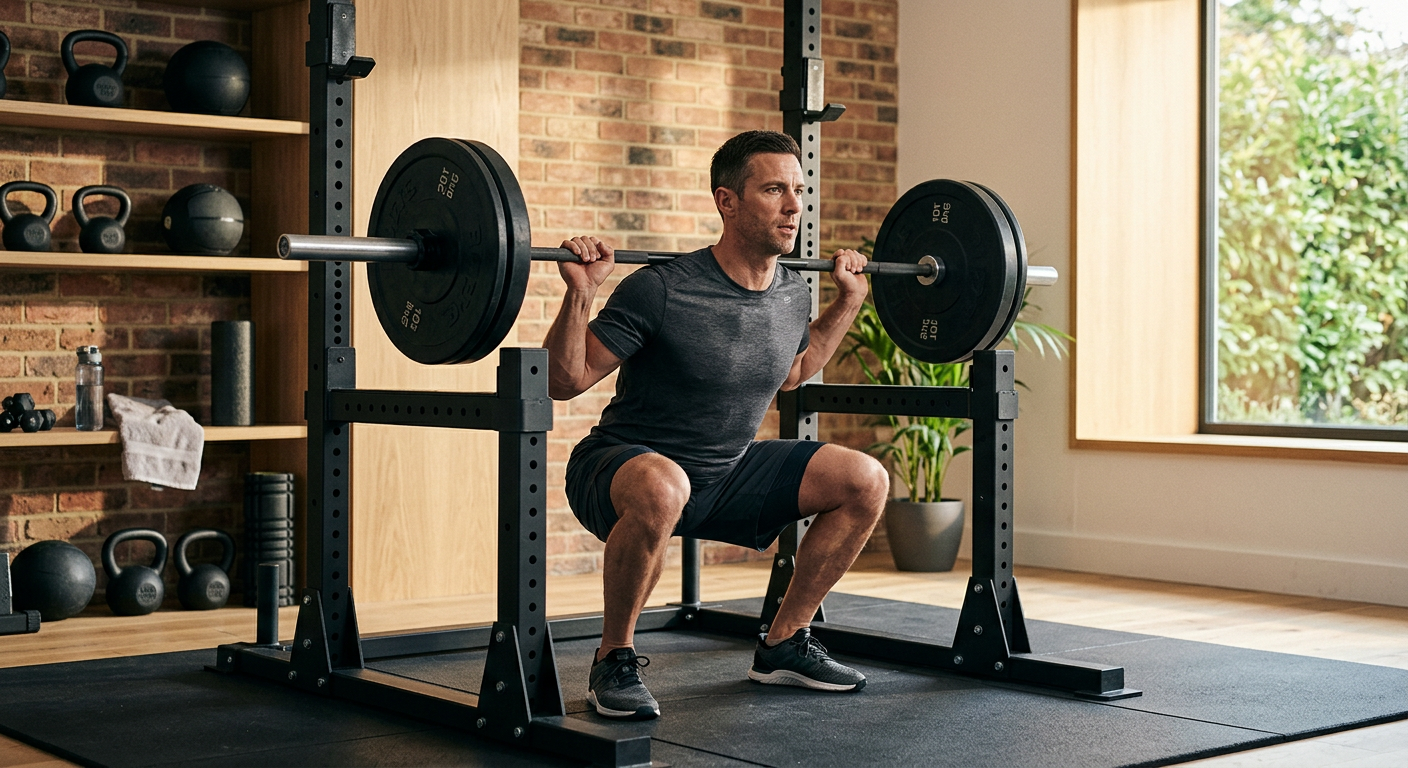
Achieving sustainable fat loss requires more than just high-intensity movement; it demands a synergy between metabolic conditioning and precise nutritional intake. For men navigating the challenge of stubborn adipose tissue, particularly in the midsection, the modern landscape of 2026 offers highly effective, science-backed frameworks. Understanding the best weight loss exercises and aligning them with a structured meal plan is the fundamental approach to optimizing body composition.
Quick Summary
Effective weight loss for men involves combining resistance training to maintain lean muscle mass with consistent caloric deficits. The best way to lose belly fat for men centers on high-intensity interval training (HIIT) paired with nutrient-dense, high-protein meal plans that support metabolic health and steady fat oxidation.
- Prioritize compound resistance exercises to increase basal metabolic rate.
- Implement progressive overload to preserve muscle during a calorie deficit.
- Focus on consistent protein intake to aid satiety and muscle repair.
- Utilize HIIT to improve insulin sensitivity and boost post-workout calorie burn.
Table of Contents
- Quick Summary
- Comparison Table
- Resistance Training for Metabolic Support
- High-Intensity Interval Training (HIIT)
- Steady-State Cardio and Active Recovery
- Nutritional Foundations for Weight Loss
- Buying Guide: How to Choose a Weight Loss Strategy
- Frequently Asked Questions
- Recommended Reads
Comparison Table
| Category | Primary Focus | Pros | Cons | Target Audience |
|---|---|---|---|---|
| Resistance Training | Muscle preservation | Boosts long-term metabolism | Requires equipment | Beginners to advanced |
| HIIT Protocols | Calorie incineration | Time-efficient | High physical impact | Athletic individuals |
| Steady-State Cardio | Cardiovascular health | Low recovery demand | Less impact on muscle | All fitness levels |
| Intermittent Fasting | Appetite regulation | Simple implementation | Potential for fatigue | Busy professionals |
Resistance Training for Metabolic Support
Resistance training serves as the cornerstone of any effective workout routine for men to lose weight. Unlike cardio, which primarily burns calories during the activity, resistance training increases lean muscle mass, which raises your resting metabolic rate. This means your body burns more energy throughout the day, even while you are resting. Integrating compound movements such as squats, deadlifts, and overhead presses engages multiple muscle groups simultaneously, leading to greater hormonal responses and total energy expenditure.
When designing a program, focus on moderate-to-high intensity sets with adequate rest periods. This ensures that the neuromuscular system is taxed sufficiently to signal the body to retain muscle tissue, even when you are in a caloric deficit. For those navigating 10 important nutrients you’re not getting enough of and why it matters, protein synthesis becomes even more critical during these heavy lifting sessions to prevent muscle wasting.
Pros and Cons of Resistance Training
- Pros: Increases metabolic rate, improves bone density, creates a toned aesthetic, and enhances functional strength.
- Cons: Requires access to gym equipment, longer time commitment, and strict attention to form to avoid injury.
High-Intensity Interval Training (HIIT)
HIIT has gained recognition as a premier workout to lose weight for men due to its efficiency and the “afterburn” effect, scientifically known as excess post-exercise oxygen consumption (EPOC). By alternating between bursts of maximal effort and short recovery periods, you maximize the body’s demand for oxygen, keeping the metabolism elevated long after the session ends. This is particularly effective for those seeking how to lose belly fat exercise protocols that do not require hours of treadmill work.
In 2026, the most effective HIIT routines are structured to minimize joint stress while maximizing heart rate variability. Incorporating movements like battle ropes, assault bikes, or sprint intervals allows for high-output work without the repetitive strain of traditional running. As you adapt to these, monitor your recovery, as high-intensity training places significant stress on the central nervous system.
Pros and Cons of HIIT
- Pros: Highly time-efficient, maximizes calorie expenditure per minute, improves cardiovascular markers.
- Cons: Extremely taxing on recovery, higher risk of burnout if overdone, requires a base level of fitness.
Steady-State Cardio and Active Recovery
While high-intensity work is effective, LISS (Low-Intensity Steady-State) cardio is an underrated tool in the pursuit of fat loss. Walking, light cycling, or swimming at a conversational pace allows for substantial calorie burn without spiking cortisol levels. Elevated cortisol is often linked to increased visceral fat storage, making low-stress movement a secret weapon for men over 40. For insights on incorporating more natural habits, check out how can barefoot walking really reduce stress according to research to complement your routine.
Pros and Cons of Steady-State Cardio
- Pros: Easy to recover from, sustainable for daily use, lowers stress hormones.
- Cons: Less time-efficient for calorie burning, minimal impact on muscle hypertrophy.
Nutritional Foundations for Weight Loss
No amount of exercise can compensate for a poor diet. The best weight loss programs for men prioritize high-protein intake, as protein provides the highest thermic effect of food (TEF), meaning the body burns more energy to digest it. Focus on whole foods, fiber-rich vegetables, and complex carbohydrates to manage insulin levels, which is a major factor in belly fat accumulation. Adopting 11 healthy Mediterranean food recipes for everyday meals can provide the structure needed for long-term consistency without feeling restricted.
Buying Guide: How to Choose a Weight Loss Strategy
When selecting your path for 2026, start by assessing your schedule and injury history. If you have limited time, a mix of HIIT and heavy compound lifting is ideal. If you are prone to inflammation or stress, prioritize steady-state cardio and a cleaner, nutrient-dense diet. Always aim for a caloric deficit of 300 to 500 calories per day, which provides enough energy to perform in the gym while signaling the body to utilize stored fat for fuel.
Frequently Asked Questions
Is it possible to spot-reduce belly fat?
No. The body loses fat systematically. However, combining strength training with a calorie-controlled diet reduces overall body fat, which eventually includes the abdominal region.
How many times a week should I train?
For optimal results, aim for 3 to 4 sessions of resistance training combined with 2 days of active recovery or light cardio.
Does sleep affect weight loss?
Yes. Poor sleep elevates cortisol and ghrelin, which trigger cravings and promote fat storage in the abdomen. Aim for 7 to 9 hours of quality sleep nightly.
Recommended Reads
- 10 essential health and wellness lifestyle tips for 2026
- Best magnesium rich foods for anxiety and sleep support top dietary choices for calmer nights
- Best herbs for better sleep without melatonin