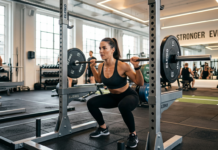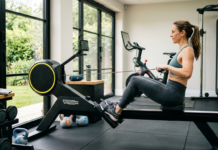
Building a robust, functional physique requires moving beyond isolation exercises to embrace multi-joint movements that demand coordination, core stability, and significant energy expenditure. Compound exercises are the foundation of effective training because they recruit multiple muscle groups simultaneously, allowing for higher volume and intensity in less time.
Quick Summary
Compound exercises are multi-joint movements that engage several muscle groups and joints simultaneously, providing superior efficiency for strength and calorie burning. By prioritizing these movements, you improve functional movement patterns, increase metabolic demand, and enhance overall athletic performance.
- Multi-joint movements maximize muscle fiber recruitment.
- High-intensity patterns accelerate heart rate and calorie expenditure.
- Consistent form prevents injury while building functional strength.
Table of Contents
- Quick Summary
- Understanding Compound Movements
- Core Stability and Functional Exercises
- Executing Effective Bodyweight Movements
- Integrating Compound Training into Your Routine
- Common Pitfalls & Troubleshooting
- FAQ
- Recommended Reads
Understanding Compound Movements
Compound exercises differ from isolation movements, such as bicep curls, by requiring synchronized effort across primary and secondary muscle groups. When you perform a compound lift or bodyweight movement, your central nervous system must coordinate movement across multiple joints – such as the hips, knees, and ankles simultaneously. This neural demand is why compound movements are often cited as the most efficient path to improving overall fitness.
Beyond strength, these movements are inherently functional, mimicking real-world activities like lifting, pushing, pulling, and squatting. By training your body to move as a single, cohesive unit, you improve your balance, agility, and resilience against injury. For those focused on body composition, the increased muscle recruitment leads to a higher metabolic rate during and after the session compared to single-joint movements.
Core Stability and Functional Exercises
When asking what are crunches workout variations, it is important to distinguish between targeted abdominal training and full-core stability. While traditional crunches isolate the rectus abdominis, modern training often shifts toward movements like what are workout planks and what are in and outs workout. These exercises demand that your core acts as a stabilizer rather than just a motor for flexion.
Core-Focused Mechanics
- Workout Planks: These isometric holds engage the transverse abdominis, glutes, and shoulders to maintain a rigid, neutral spine. They serve as the baseline for teaching the body to resist unwanted movement under stress.
- In and Outs: This movement adds dynamic motion to a static hold, requiring your lower core to stabilize the pelvis while the legs move in and out, building coordination alongside muscular endurance.
Executing Effective Bodyweight Movements
Bodyweight training remains the most accessible method for building a foundation of strength. Understanding what are lunges workout techniques or what are workout burpees allows you to design a comprehensive program without requiring specialized equipment.
Step-by-Step Movement Breakdown
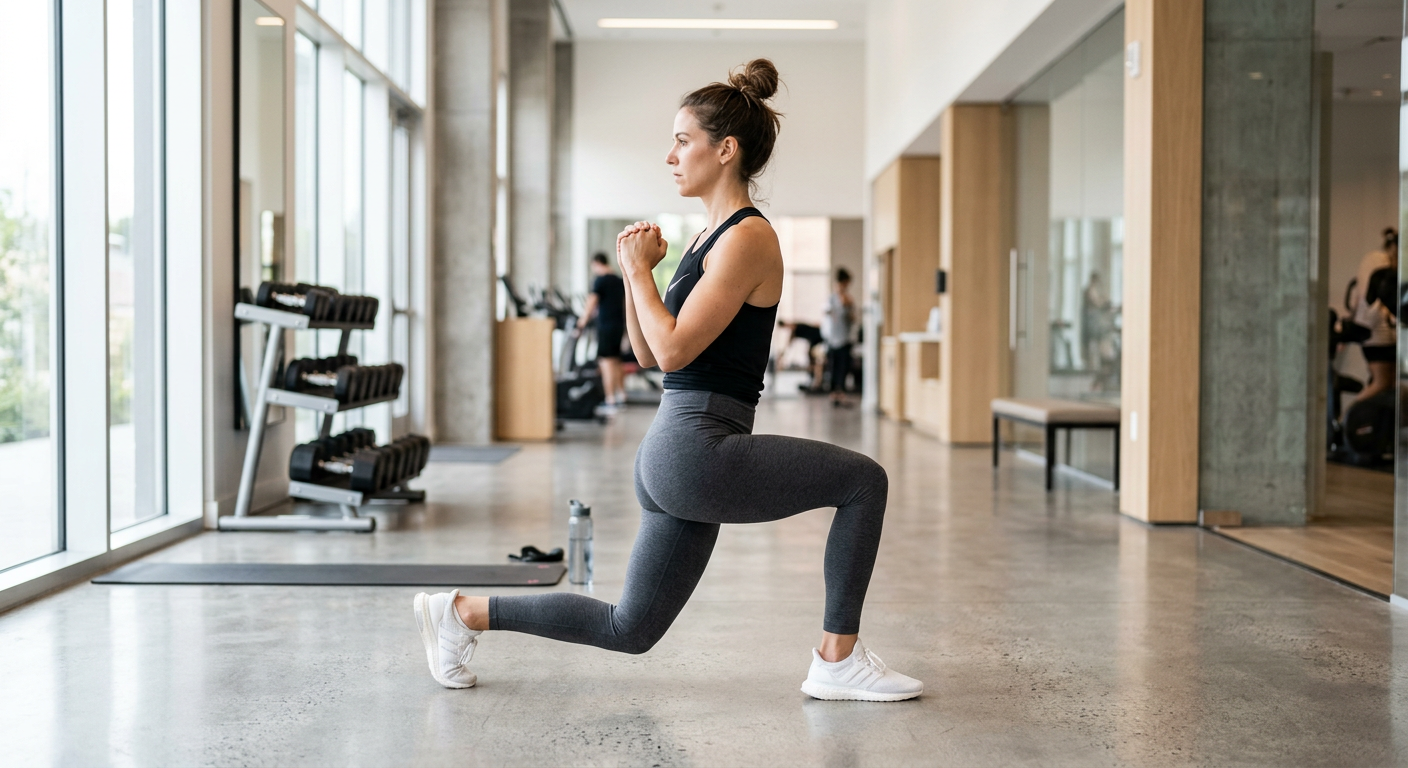
- Lunges: Stand with feet hip-width apart. Take a controlled step forward, lowering your hips until both knees are at roughly 90-degree angles. Keep your torso upright. The lunge emphasizes unilateral stability and lower-body strength.
- Burpees: Begin from a standing position, drop into a squat, kick your feet back into a push-up position, perform a push-up, jump the feet back to the squat, and explode upward into a jump. This serves as a high-intensity total-body movement.
- Dips: Position your hands on a stable, elevated surface behind you. Extend your legs out. Lower your hips by bending your elbows until they reach a 90-degree angle, then push back up. This isolates the triceps, shoulders, and chest.
Pro Tip: To maximize the impact of your cardio workout, pair high-intensity movements like burpees with short, active recovery intervals, such as steady-state walking, to keep the heart rate elevated throughout the session.
Integrating Compound Training into Your Routine
Effective programming for 2026 involves balancing intensity with recovery. Compound movements are taxing, so they should generally be placed at the start of your training session when energy levels are at their peak. A typical sequence might begin with large-scale movements like lunges before moving into core-stabilization work like planks.
Tracking your progress is essential to long-term success. Even without heavy weights, you can apply progressive overload by increasing the number of repetitions, reducing rest intervals, or improving the range of motion. This consistent challenge is what drives long-term adaptation and sustainable physical changes.
Common Pitfalls & Troubleshooting
Common mistakes include rushing through the eccentric phase of a movement or allowing the lower back to arch during core-intensive exercises. If you find your form breaking down during a set of burpees, shorten the range of motion or reduce the tempo until you regain control.
Another frequent issue is neglecting the warm-up. Compound movements place significant demand on joint mobility. Always dedicate five to ten minutes to dynamic stretching to ensure your hips, ankles, and shoulders are prepared for the stress of multi-joint loading.
FAQ
- What is the best way to start a compound exercise routine? Focus on mastering the technique of bodyweight squats, lunges, and planks before adding complexity or intensity to ensure your movement patterns are safe and effective.
- How often should I perform these compound exercises? For most, three to four sessions per week is sufficient to allow for muscle recovery and nervous system adaptation while maintaining consistent progress.
- Can I get a good workout without equipment? Yes. Movements like burpees, lunges, and dips rely on body weight to provide resistance, which is highly effective for building strength and cardiovascular health when performed with proper intensity.
- Why is core stability important for other movements? A stable core acts as the link between your upper and lower body; if the core is weak, power is “leaked” during movements like squats or overhead presses, reducing effectiveness and increasing injury risk.
Recommended Reads
- 10 Essential Health and Wellness Lifestyle Tips for 2026
- 10 Important Nutrients You’re Not Getting Enough of