Understanding how to lose arm fat and refine other specific areas requires a departure from the myth of spot reduction. Physiology dictates that while you can strengthen the muscles underneath the fat, overall fat loss is driven by a systemic caloric deficit and metabolic optimization. In 2026, the most effective strategies combine resistance training, consistent movement, and nutrient-dense eating to improve body composition holistically.
Quick Summary
Achieving fat loss in specific areas like arms, legs, back, and the midsection relies on a whole-body approach rather than spot reduction. By creating a sustainable calorie deficit, prioritizing protein intake, and performing compound strength training, you can decrease overall body fat percentage, which eventually reveals leaner muscle definition in your target areas.
- Prioritize a moderate caloric deficit through balanced, nutrient-dense nutrition.
- Incorporate compound resistance training to build metabolic-boosting muscle mass.
- Increase non-exercise activity thermogenesis (NEAT) for consistent calorie burning.
- Focus on recovery and sleep to regulate hormones that impact fat storage.
Table of Contents
- Understanding Spot Reduction Myths
- How to Lose Arm Fat Through Resistance Training
- Strategies for How to Lose Leg Fat and Butt Fat
- Addressing How to Lose Back Fat and Chest Fat
- Targeting How to Lose Love Handles
- Common Pitfalls & Troubleshooting
- FAQ
- Recommended Reads
Understanding Spot Reduction Myths
Many individuals search for ways to burn fat in isolated areas, hoping that specific exercises will target the stubborn deposits on the triceps or abdomen. However, scientific evidence confirms that you cannot dictate where your body draws its energy from during fat oxidation. Fat loss occurs as a systemic process: as your body requires more energy than it consumes, it mobilizes fat cells from across the entire body, not just the area currently being exercised.
Instead of focusing on spot reduction, it is more effective to view your body as a single unit. When you engage in high-intensity training or maintain a proper diet, you trigger hormonal and metabolic responses that facilitate fat loss globally. If you want to lean out your arms or reduce your love handles, you must focus on lowering your total body fat percentage so that the layers covering your musculature begin to diminish.
How to Lose Arm Fat Through Resistance Training
To address the upper arms, you must strengthen the biceps and triceps. While you cannot spot-reduce, building muscle in these areas provides a firmer foundation that becomes visible as overall body fat drops. For those looking for 10 important nutrients you’re not getting enough of and why it matters, prioritizing high-quality protein is the first step toward muscle maintenance.
Compound movements like overhead presses, dips, and rows engage the arms along with the shoulders and back. By increasing the demand on these tissues, you improve your resting metabolic rate, which helps in long-term fat management. Aim for progressive overload, where you slowly increase the weight or repetitions over time, ensuring your muscles have a continuous reason to adapt and harden.
Pro Tip: Never neglect compound lifts such as pull-ups or push-ups. These movements recruit more muscle fibers than isolation exercises, providing a significantly greater metabolic return on your time invested.
Strategies for How to Lose Leg Fat and Butt Fat
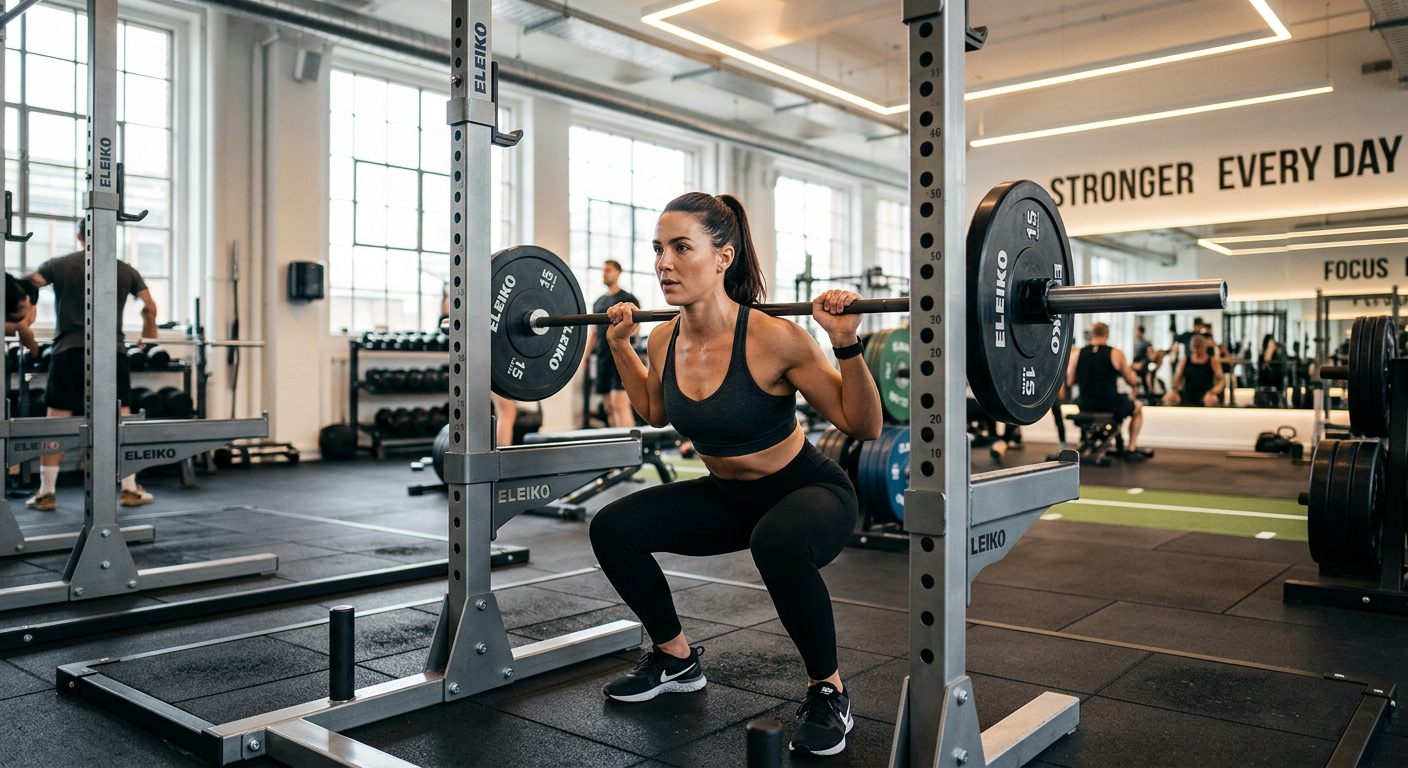
The lower body is a common area for fat storage due to biological and hormonal factors. Learning how to lose leg fat and how to lose butt fat involves incorporating movements that work the glutes, hamstrings, and quadriceps. Squats, lunges, and deadlifts remain the gold standard because they recruit large muscle groups, forcing the body to use significant energy during and after the workout.
Consistent cardiovascular activity also plays a vital role. Walking, incline treadmill sessions, or cycling can help maintain a consistent daily calorie burn without putting excessive stress on the joints. These activities support overall cardiovascular health and are easy to integrate into a fitness regimen that avoids burnout, making the journey toward fat loss more sustainable over the long term.
Addressing How to Lose Back Fat and Chest Fat
Back and chest fat can be particularly stubborn for many people. To figure out how to lose back fat, you need to focus on postural strength and rowing movements that emphasize the lats and rhomboids. Similarly, understanding how to lose chest fat often comes down to improving the muscle tone of the pectorals while managing overall body composition through a controlled diet.
Maintaining a focus on nutrition is essential here. Without an adequate caloric deficit, your body will maintain its current fat stores regardless of how many push-ups or rows you perform. Focus on high-fiber, low-calorie-density foods that keep you full while ensuring your body is receiving the essential vitamins and minerals required for optimal metabolic function.
Targeting How to Lose Love Handles
Love handles represent one of the most common frustration points in fitness. Learning how to lose love handles requires more than just core exercises; it necessitates a focus on insulin sensitivity and lower stress levels. Chronic stress increases cortisol, a hormone strongly linked to the storage of fat around the midsection.
Incorporate anti-inflammatory lifestyle habits and prioritize quality sleep to manage your cortisol levels effectively. Complement this with core stability exercises such as planks, Pallof presses, and dead bugs. While these exercises strengthen the transverse abdominis and obliques, they must be paired with a consistent reduction in overall body fat through dietary discipline to actually reveal the definition underneath.
Common Pitfalls & Troubleshooting
The most common mistake is relying solely on exercise while ignoring dietary intake. You cannot out-train a poor diet, and neglecting your protein intake will result in muscle loss rather than fat loss. Additionally, many people overestimate the calories they burn during exercise and end up overeating, which stalls their progress entirely.
Another pitfall is inconsistent effort. Fat loss is a slow, iterative process. If your progress plateaus, re-evaluate your daily calorie intake and increase your non-exercise activity, such as taking more steps throughout the day. Avoid extreme, rapid-weight-loss diets, as these often lead to muscle wasting and a rebound effect once normal eating resumes.
FAQ
- Can I lose fat in just my arms or legs? No. Spot reduction is a myth. You must lose weight globally through a caloric deficit to see changes in specific areas.
- How long does it take to see results? Consistency is key. You may begin to notice body composition shifts in 4 to 8 weeks, depending on your starting point and adherence.
- Do I need heavy weights to lose fat? Not necessarily, but resistance training is necessary to maintain muscle mass. Moderate weight with proper form is sufficient for most beginners.
- Does cardio help with target fat loss? Cardio increases your total daily energy expenditure, which helps create the necessary deficit for overall fat loss.
Recommended Reads
- 10 essential health and wellness lifestyle tips for 2026
- Best magnesium rich foods for anxiety and sleep support top dietary choices for calmer nights
- 11 healthy mediterranean food recipes for everyday meals