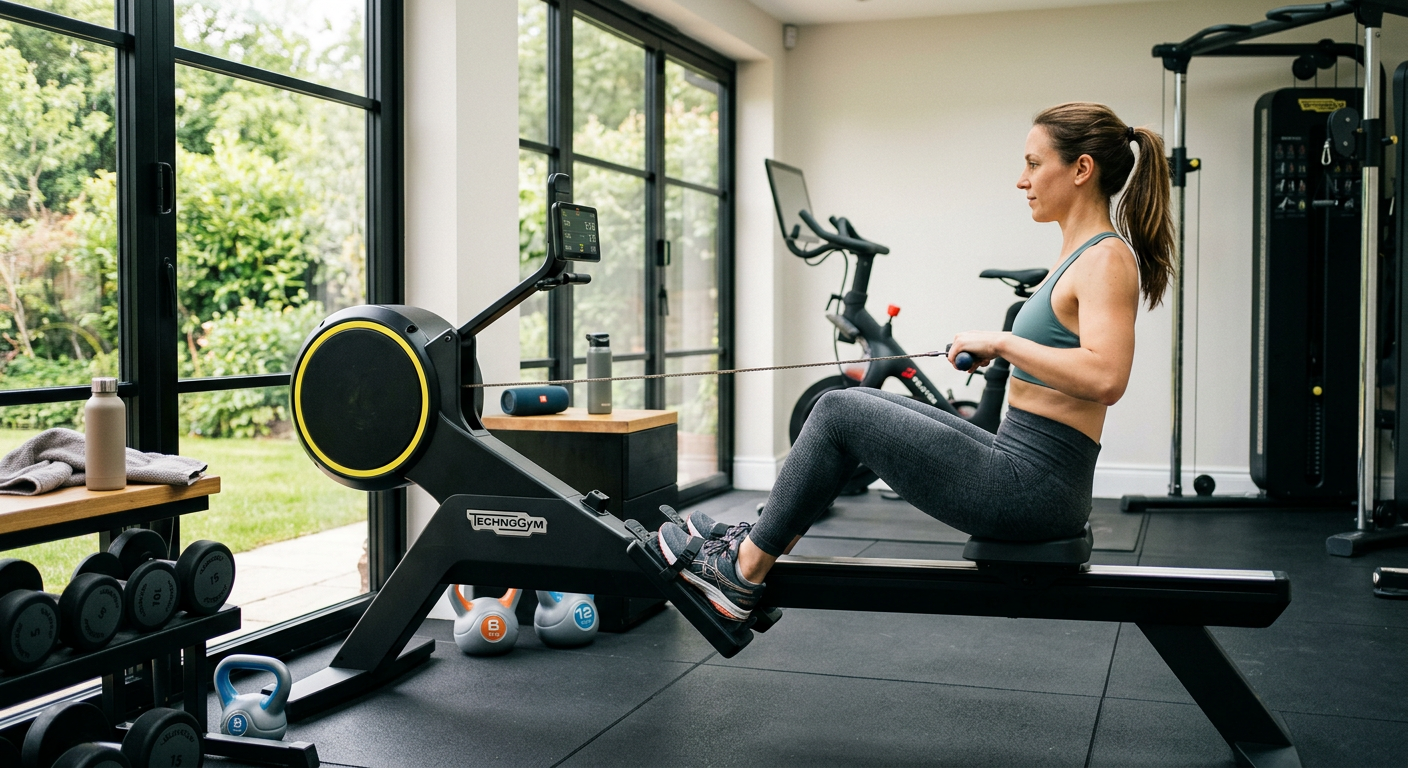
Determining the most effective strategy for fat reduction often leads to a debate regarding the role of aerobic activity. If you are asking, is cardio good for weight loss, the answer is nuanced: it functions as a potent tool for increasing caloric expenditure, but its long-term success relies heavily on how it is integrated into your broader lifestyle. Understanding the mechanics of energy balance and metabolic adaptation is essential for those navigating their fitness journey in 2026.
Quick Summary
Cardio is a highly effective method for increasing total daily energy expenditure, which directly supports caloric deficits necessary for fat loss. While weight training preserves lean muscle mass, strategic cardiovascular exercise accelerates fat oxidation when combined with a nutrient-dense diet.
- Cardio increases caloric burn during and post-exercise.
- Intensity levels dictate the physiological adaptations and fat oxidation rates.
- Combining resistance training with cardio maximizes body composition improvements.
- Consistency and sustainable pacing are superior to occasional, unsustainable high-intensity efforts.
Table of Contents
- Understanding the Role of Cardio for Fat Loss
- Cardio vs Weight Training for Fat Loss
- Implementing HIIT Training for Fat Loss
- Does Cardio Help You Lose Weight Safely
- Common Pitfalls and Troubleshooting
- Frequently Asked Questions
- Recommended Reads
Understanding the Role of Cardio for Fat Loss
Cardio for fat loss operates primarily by increasing your active energy expenditure. When you engage in aerobic exercise, your heart rate elevates and your body utilizes stored energy substrates – primarily glycogen and adipose tissue – to fuel the physical demand. For individuals focused on sustainable weight loss, cardio serves as a reliable lever to create or widen a caloric deficit without requiring extreme dietary restrictions that might lead to burnout.
It is important to recognize that the type of cardio matters. Low-intensity steady-state (LISS) exercise, such as brisk walking or light cycling, relies heavily on fat oxidation during the activity but burns fewer total calories per minute. Conversely, high-intensity cardio for fat loss, such as sprinting or circuit intervals, burns significantly more calories in a shorter window, though it is more taxing on the central nervous system. Selecting the right modality depends on your recovery capacity and overall activity level throughout the day, as discussed in professional guides on 10 essential health and wellness lifestyle tips for 2026.
Cardio vs Weight Training for Fat Loss
When comparing cardio vs weight training for fat loss, the most effective approach is rarely an “either-or” scenario. Weight training is superior for body recomposition because it builds or maintains skeletal muscle. Since muscle tissue is metabolically active, having more lean mass increases your basal metabolic rate, meaning you burn more calories at rest. Neglecting resistance training while focusing solely on cardio can sometimes result in a “skinny-fat” physique, where body fat remains higher than desired despite lower weight.
Cardio acts as the primary driver for acute caloric burn, whereas weight training acts as the foundation for metabolic health and structural integrity. For the best results, prioritize a strength-training routine that incorporates compound movements, then supplement with targeted cardiovascular sessions. If you are struggling with nutrient intake to support these goals, refer to resources on 10 important nutrients you’re not getting enough of and why it matters to ensure your body has the raw materials for recovery.
Implementing HIIT Training for Fat Loss
HIIT training for fat loss involves short bursts of near-maximal effort followed by brief periods of rest or low-intensity recovery. The primary benefit of this method is the potential for an elevated excess post-exercise oxygen consumption (EPOC) effect, which keeps your metabolic rate slightly elevated for a period after the workout concludes. However, because HIIT is physically demanding, it should not be performed daily to avoid overtraining.
To implement this successfully, start with a 1:2 work-to-rest ratio. For example, sprint for 30 seconds and walk for 60 seconds, repeating this cycle for 10 to 15 minutes. As your cardiovascular conditioning improves, you can transition to a 1:1 ratio. Always prioritize proper warm-ups to prevent injury, and ensure your nutrition supports the high output required for these sessions. It is often helpful to view your fitness routine as part of a holistic approach to wellness, which may also include alternative treatments for shingles if you are managing other health stressors.
Does Cardio Help You Lose Weight Safely
Does cardio help you lose weight safely? Yes, provided you do not over-rely on it to mask poor nutritional habits. A common mistake is believing that exercise “cancels out” a caloric surplus. Cardio should be used to support your metabolic goals, not to justify an unbalanced diet. By maintaining a clean diet, you facilitate faster recovery and better performance in your training sessions.
Pro Tip: To minimize joint impact and ensure longevity, diversify your cardio. Combine high-impact activities like running or jumping rope with low-impact options like swimming, rowing, or inclined walking to keep your metabolism elevated without excessive wear and tear on your knees and hips.
Common Pitfalls and Troubleshooting
One of the most frequent errors is the “more is better” mentality, where individuals increase their cardio volume until they experience burnout or metabolic adaptation. If your weight loss plateaus, do not immediately add more cardio. Instead, check your nutritional consistency, monitor your sleep quality, and ensure your strength training intensity is sufficient.
Another pitfall is ignoring recovery. Overtraining manifests as persistent fatigue, poor sleep, and reduced motivation. If you find yourself struggling to complete workouts, scale back the intensity for a week. Remember that weight loss is a long-term project; the best program is one that you can adhere to consistently for months, rather than one that burns you out in two weeks.
Frequently Asked Questions
- Should I do cardio before or after weights? It is generally better to perform cardio after weight training. This allows you to exert maximum effort on your lifts, which are critical for muscle maintenance and long-term metabolic health.
- How many times a week should I do cardio? For general health and fat loss, 150 minutes of moderate-intensity or 75 minutes of vigorous cardio per week is recommended, split across 3 to 5 sessions.
- Is fasted cardio better for fat loss? Research suggests that while fasted cardio may increase fat oxidation during the workout, total fat loss over 24 hours remains similar to fed-state cardio. Choose the time that fits your schedule best.
- Can I lose weight without cardio? Yes, you can lose weight through a caloric deficit achieved via diet alone, but adding cardio can make the deficit easier to maintain without severely restricting food volume.
Recommended Reads
- 10 important nutrients you’re not getting enough of and why it matters
- Alternative treatments for shingles
- 10 essential health and wellness lifestyle tips for 2026